Magnesia guide · Aug 18, 2026 · 2 min read
Dead-Burned or Fused Magnesia: A Practical Grade Selection Guide
How to compare MS-90 to MS-93 dead-burned magnesia with fused grades when designing basic refractory products.
Dead-burned magnesia and fused magnesia both supply MgO to basic refractory products, but the manufacturing route creates different crystal structures, density ranges and purchasing considerations. A practical selection begins with the required chemistry and packing behaviour, then moves to the service environment and cost target.
Compare the available grade windows
The Yulong dead-burned range includes MS-93, MS-92 and MS-90 grades with a listed minimum bulk density of 3.18 g/cm3. The fused range includes dicalcium and standard grades with higher listed bulk-density values. The following comparison keeps the published limits visible so the first supplier discussion is based on measurable requirements.
| Grade | MgO min | SiO2 max | CaO max | LOI max | B.D. min |
|---|---|---|---|---|---|
| Dead-burned MS-93 | 93% | 4.5% | 2.5% | 0.3% | 3.18 g/cm3 |
| Dead-burned MS-92 | 92% | 4.5% | 2.5% | 0.3% | 3.18 g/cm3 |
| Dead-burned MS-90 | 90% | 4.8% | 2.5% | 0.3% | 3.18 g/cm3 |
| Fused FM-98 dicalcium | 97.70% | 0.50% | 1.10% | – | 3.50 g/cm3 |
| Fused FM-96 standard | 96.00% | 1.50% | 2.00% | – | 3.45 g/cm3 |
Think about structure and processing
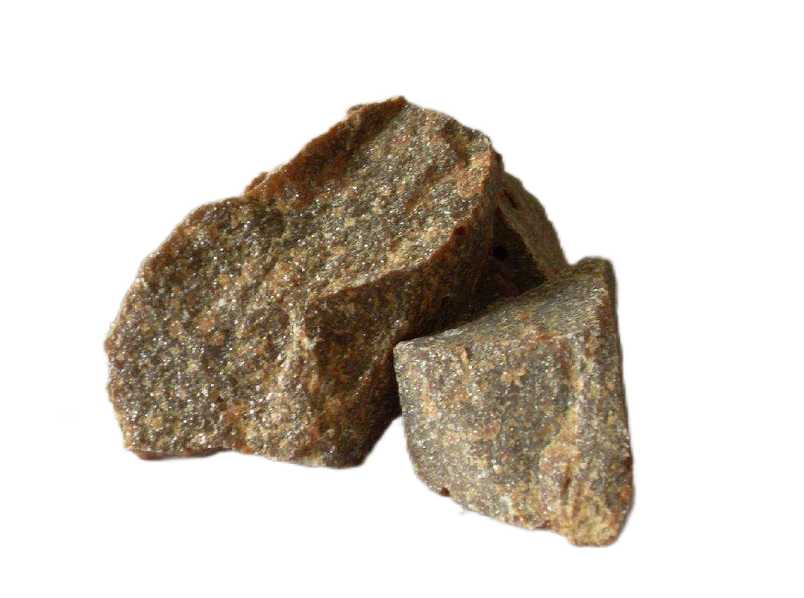
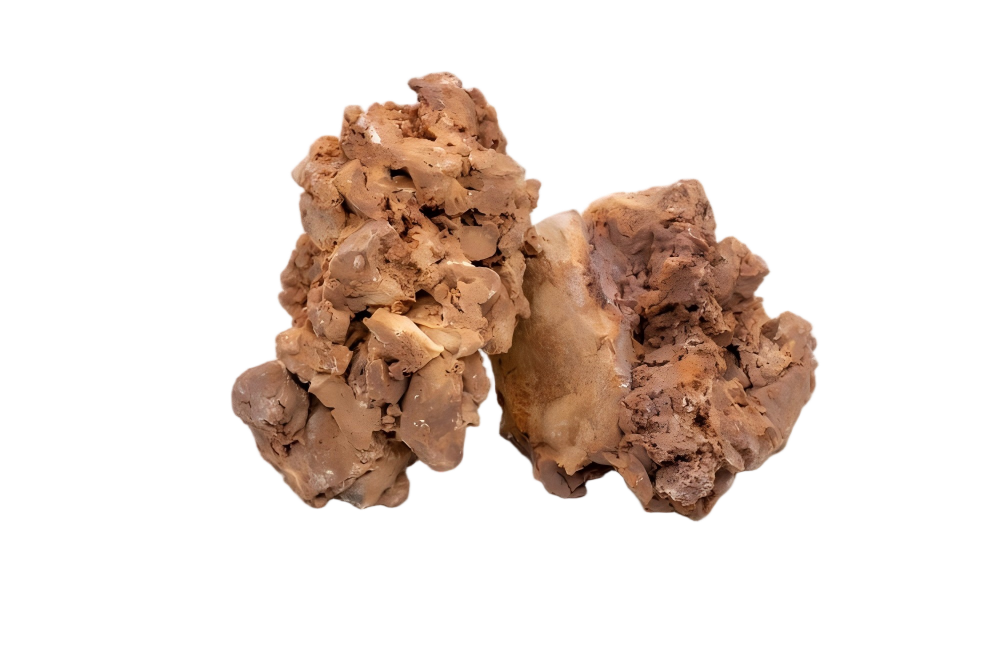
Dead-burned magnesia is a sintered material, while fused magnesia is melted and solidified in an electric-fusion process. In practical terms, the two materials can occupy different roles in an aggregate blend because the crystal structure, density and impurity window are not the same.
The choice should also account for the product being made. Brick, ramming mix and castable formulations may require different size distributions and packing behaviour. Dead-burned magnesia is available in size ranges including 0-10, 3-120, 5-120 and 10-120 mm; agree the split and fines content before shipment.
- Use the chemistry table to define the minimum acceptable MgO and maximum impurities.
- Use bulk density and particle-size data to check the aggregate packing plan.
- Keep the manufacturing route consistent when comparing trial results from two suppliers.
Ask for a comparable technical package
For a meaningful comparison, request the TDS, current COA, particle-size distribution, packaging details and a description of the test methods. If the material is for a safety-critical lining, include the service temperature, slag or atmosphere information and the expected replacement interval in the technical enquiry. Those details help the supplier recommend a grade without confusing a nominal specification with a guaranteed service life.