Magnesia guide · Aug 18, 2026 · 3 min read
How to Select Fused Magnesia for MgO-C Refractories
A practical way to compare MgO purity, CaO-SiO2 balance and bulk density before requesting a fused magnesia quotation.
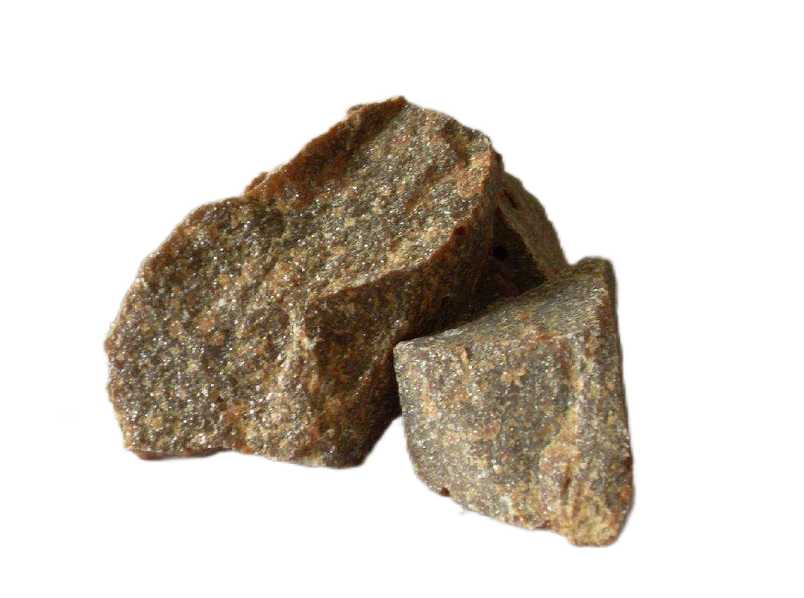
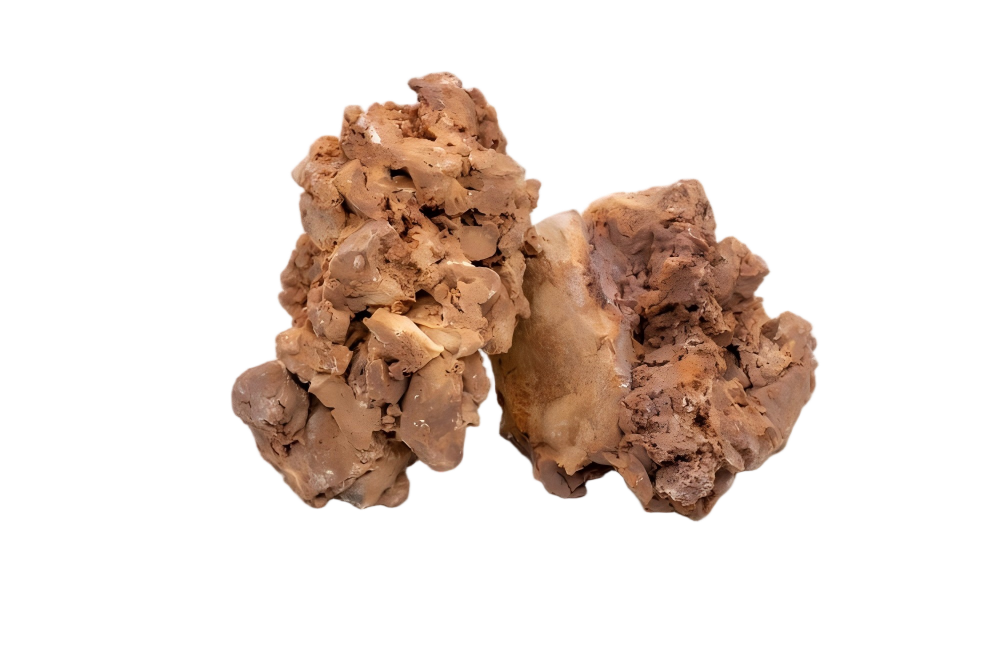
Fused magnesia is often specified as a single MgO number, but a stable MgO-C mix depends on the rest of the analysis as well. CaO, SiO2, iron, alumina and bulk density affect how the aggregate fits into a working formulation and how consistently it behaves from lot to lot.
Start with the complete chemistry
For a first comparison, separate the headline purity from the impurity balance. A dicalcium grade with a reported C/S ratio can be useful when the formulation needs a controlled CaO-to-SiO2 relationship. Silica and lime should always be reviewed together rather than read as isolated values.
The grade table below uses the current nominal limits in the Yulong technical range. The values are a starting point for a quotation; the final lot should be checked against its COA and the customer's own test method.
| Grade | MgO min | SiO2 max | CaO max | Fe2O3 max | B.D. min | C/S |
|---|---|---|---|---|---|---|
| FM-98 dicalcium | 97.70% | 0.50% | 1.10% | 0.60% | 3.50 g/cm3 | 2.00 |
| FM-97.5 dicalcium | 97.50% | 0.60% | 1.20% | 0.60% | 3.50 g/cm3 | 2.00 |
| FM-97.5 standard | 97.50% | 0.80% | 1.30% | 0.60% | 3.50 g/cm3 | – |
| FM-96 standard | 96.00% | 1.50% | 2.00% | 0.90% | 3.45 g/cm3 | – |
Match the grade to the formulation
Choose the highest purity that the application actually needs, then check whether the density and impurity limits are compatible with the mix design. FM-98 and FM-97.5 dicalcium grades provide the tightest chemistry in this range. Standard FM-97.5 and FM-96 remain useful when the specification permits a wider impurity window or when a broader grade range is required for the aggregate blend.
This is not a substitute for a pilot batch. Carbon level, antioxidant package, grain-size distribution, binder system and pressing conditions all influence the finished MgO-C product. The material grade should be evaluated as one part of the formulation, not as an isolated performance guarantee.
- Use MgO and SiO2 together to screen purity and gangue contribution.
- Check bulk density when the aggregate blend is sensitive to packing or volume yield.
- Ask for the actual size distribution and moisture condition of the shipment, not only the grade name.
A useful purchasing checklist
A good enquiry lets the supplier answer with a grade and a verification plan. Include the refractory type, target chemistry, grain sizes, monthly quantity, packaging and whether the material will be used in a steel ladle, tundish, EAF or another lining. If the grade is replacing an existing source, attach the current COA so the comparison is made on the same basis.
- Request the current TDS and a representative COA for the offered grade.
- Confirm whether the quoted B.D. is true density or bulk density and keep the test method consistent.
- Define acceptable variation for MgO, CaO, SiO2, Fe2O3 and size distribution before the first trial.
- Run a controlled trial before changing the complete production mix.