Alumina guide · Aug 18, 2026 · 2 min read
Calcined Alumina vs Reactive Alumina: Which Fine Powder Fits Your Castable?
The two powders can share a high Al2O3 headline while behaving differently in packing, dispersion and formulation work.
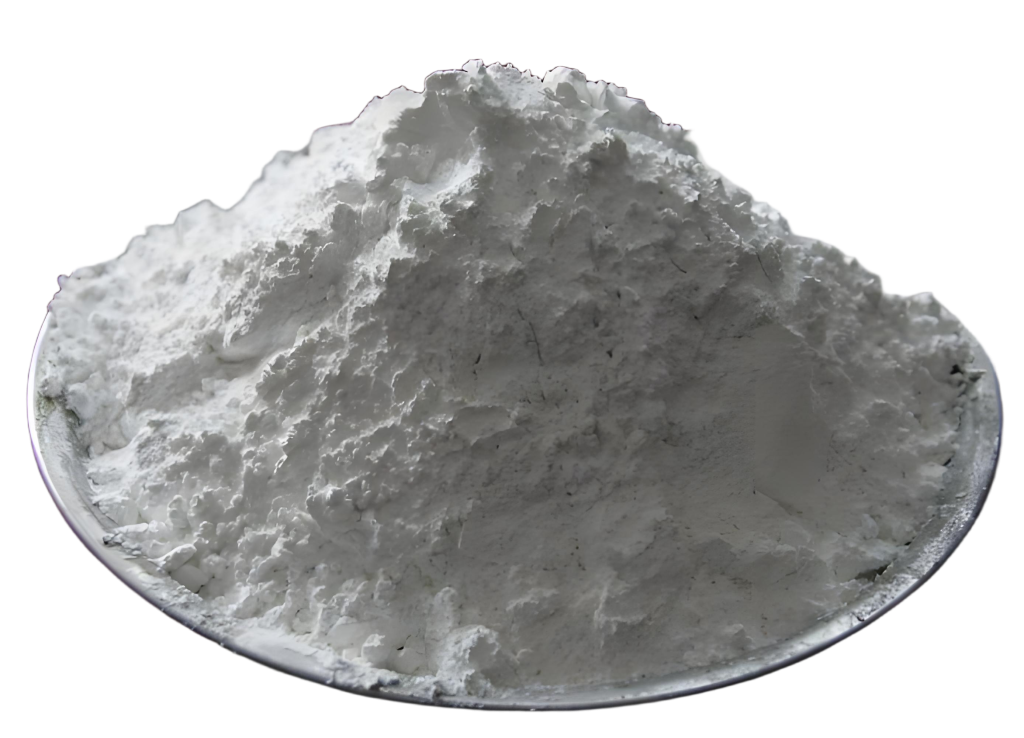
Calcined alumina and reactive alumina are both used as fine alumina additions, but they should not be treated as interchangeable by name alone. Particle-size distribution, sodium level, true density and the way the powder is dispersed all matter to the final formulation.
Compare the supplied indicators
The calcined alumina range is offered in standard and high-purity Al2O3 levels. The reactive micropowder data includes B2L06D and B2L12D median-diameter values, together with guaranteed and typical chemistry. These are different data sets, so the most useful comparison is to put the values beside the job each powder is expected to do.
| Material | Al2O3 | Median size | True density | Other indicators |
|---|---|---|---|---|
| Calcined alumina | 99.2% standard / 99.5% high purity min | 325 mesh; 3-5 um | 3.95 g/cm3 min | Na2O 0.4% max; 25 kg or 1 MT packing |
| Reactive B2L06D | 99% guarantee / 99.47% typical | 1.5 um guarantee / 1.2 um typical | 3.93 guarantee / 3.96 typical | SiO2 0.2% guarantee; Na2O 0.15% guarantee |
| Reactive B2L12D | 99% guarantee / 99.47% typical | 2.0 um guarantee / 1.8 um typical | 3.93 guarantee / 3.94 typical | SiO2 0.2% guarantee; Na2O 0.15% guarantee |
Use particle size as a formulation decision
A 3-5 micrometre calcined alumina product and a reactive powder with a smaller median diameter can occupy different parts of a particle-packing design. The smaller reactive grades are commonly evaluated when a formulation needs a fine alumina fraction, while the calcined grade can be selected when the target specification is built around a 325-mesh product and a defined purity range.
Changing the powder can change water demand, dispersion response and the balance between coarse aggregate and matrix. Confirm the effect in the actual castable or ceramic body rather than copying the dosage from another supplier.
- Set a target median diameter or mesh range before requesting samples.
- Keep the sodium and iron limits visible in the mix approval sheet.
- Record mixing sequence, hold time and water addition during the comparison trial.
Questions to answer before ordering
Tell the supplier whether the powder is for a low-cement castable, a self-flowing mix, a pressed ceramic body or another application. Include the existing alumina grade, target Al2O3, particle-size window and packing requirement. A technically complete enquiry makes it easier to recommend a product without overstating what a single chemistry number can predict.